How to Keep a Senior Safe at Home During a Calgary Winter


Calgary Winters Are Beautiful But Can Be Dangerous for Seniors
Calgary winters are no joke. Between the deep freezes, the black ice, the chinook cycles that go from -25°C to above zero and back again overnight, and the months of early darkness, winter in this city creates a unique set of risks for aging adults - risks that many families underestimate until something goes wrong.
If you have a parent or grandparent living at home in Calgary, here’s what to watch for and how to help them get through the season safely.

Ice and Falls: The Biggest Winter Risk
Falls are already the leading cause of injury hospitalization among Canadian seniors - and winter dramatically raises the stakes. Calgary’s freeze-thaw cycles create black ice that’s nearly invisible, and seniors with reduced balance, slower reflexes, or medication side effects are especially vulnerable.
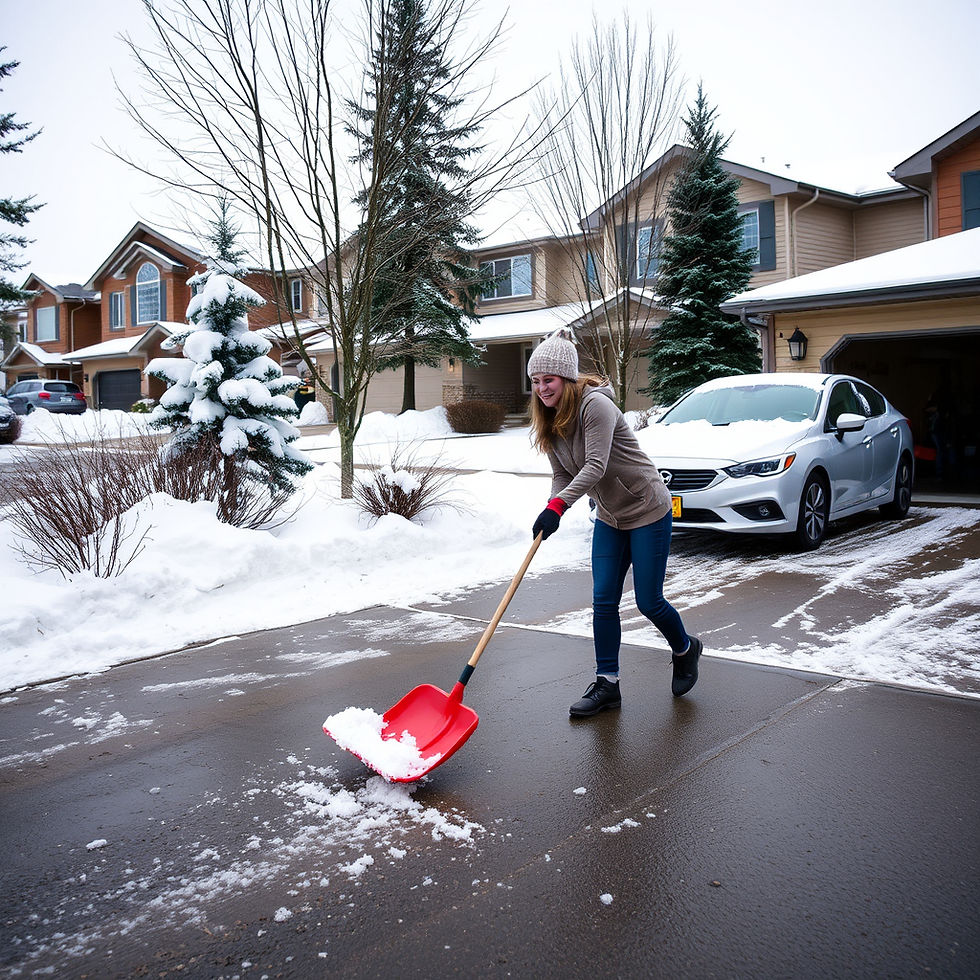
What helps: make sure walkways and steps are salted and cleared after every snowfall. Consider a local snow removal service if your parent can’t do it themselves or is relying on neighbours.
Ensure outdoor footwear has proper grip - not dress shoes or old sneakers. A cane or walking poles with ice tips can make a significant difference.
Isolation: The Hidden Winter Danger
When the weather is bad, seniors stay home. That sounds sensible - but when staying home stretches from a day to a week to a month, the effects on mental and physical health become serious. Loneliness and depression worsen. Cognitive decline can accelerate. Seniors who were already isolated get more so.
What helps: regular check-in calls or visits from family, a caregiver who comes consistently through the week, and ensuring transportation is available for appointments and social outings even when driving isn’t possible. Calgary Transit has accessible options, and many community organizations offer volunteer driver programs.

Heating, Drafts, and Hypothermia Risk
Seniors feel cold more acutely - and they’re also less likely to notice when they’ve gotten dangerously cold. Hypothermia can develop indoors if a home is poorly heated, if a senior is sedentary, or if they’re on medications that affect temperature regulation.
What helps: check that the furnace is serviced before winter hits. Make sure the thermostat is easy to read and adjust. Look for drafts around doors and windows. On your next visit, feel the temperature in their home rather than just asking if they’re warm - seniors often say they’re fine even when they’re not.

Medication and Grocery Gaps
A big snowstorm or a stretch of -30°C weather can mean a senior misses a pharmacy pickup or runs low on groceries. For someone managing a chronic condition, a missed medication day can have real health consequences. For someone with a poor appetite who depends on a full fridge, running low on food is a serious problem.
What helps: set up medication delivery through a Calgary pharmacy before winter starts. Stock a small pantry reserve. If a caregiver visits regularly, make grocery runs part of their scheduled time so your parent is never caught short.

The Chinook Effect
Calgary’s famous chinook winds bring rapid temperature swings that can be disorienting for seniors. Some seniors experience headaches or joint pain before a chinook. The sudden warm spell after a deep freeze also creates melt-refreeze cycles on walkways that are more dangerous than steady snow.
What helps: keep an eye on the forecast during transition periods. Re-salt after a warm spell even if it looks clear. And if your parent mentions unusual headaches or aches around weather changes, take note - it may be worth mentioning to their doctor.

You Don’t Have to Navigate This Alone
At Sunny Senior Services, we support seniors in Calgary through every season - including the long ones. Our caregivers provide consistent companionship, help with errands and appointments, and the kind of regular check-ins that give families peace of mind when the weather turns. Reach out at sunnyseniorservices.ca. or call 604-500-1153.


Comments